 Reviews


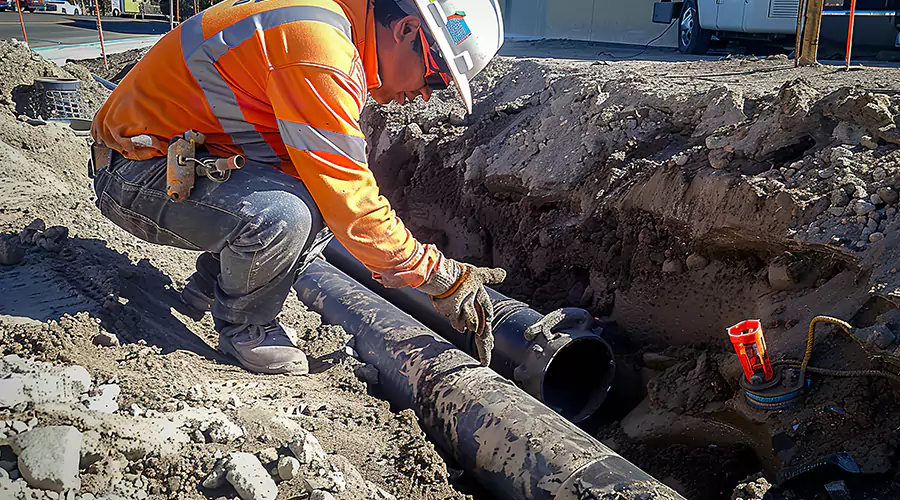
Your sewer line carries all wastewater away from your sinks, toilets, showers, and appliances. When the sewer line fails, the consequences are severe. Raw sewage can back up into your basement or yard. Repairs can cost thousands of dollars. The good news is that sewer lines rarely fail without warning. Recognizing these seven warning signs early allows you to call a plumber for sewer line replacement before an emergency happens.
Warning Sign 1: Multiple Drains Are Clogged at Once
A single slow drain is usually a local problem. But when multiple drains are clogged at the same time, the problem is deeper. If your toilet gurgles when you run the sink, or if water backs up into your shower when you flush the toilet, your main sewer line is likely partially blocked.
What is happening:
- A partial blockage restricts flow. Water from higher fixtures has nowhere to go but out through lower fixtures.
What to do:
- Do not use chemical drain cleaners. Call a plumber to perform a camera inspection of your sewer line.
Warning Sign 2: Frequent Toilet Overflows
If your toilet overflows or backs up more than once in a short period, pay attention. Frequent backups point to a restriction in the sewer line. The toilet is the lowest fixture in most homes, so it shows signs of a main line problem first.
What is happening:
- A partial blockage allows some water to pass but not enough to handle peak flow. When you flush, water rises in the bowl and may overflow.
What to do:
- Keep a plunger handy for emergencies, but schedule a professional drain inspection as soon as possible.
Warning Sign 3: Gurgling Sounds From Plumbing Fixtures
Listen to your plumbing. When you hear gurgling, bubbling, or sucking sounds from your toilet, sink, or shower drain, air is trapped in the system. These sounds indicate that the sewer line is not venting properly or that a blockage is preventing smooth flow.
What is happening:
- Air pockets form behind a partial clog. When water finally pushes past, the trapped air escapes through the nearest fixture.
What to do:
- Gurgling sounds rarely resolve on their own. Call a plumber to inspect the line.
Warning Sign 4: Sewage Odors Inside or Outside Your Home
The smell of raw sewage is a foul, rotten egg odor that you should never ignore. If you smell sewage inside your home, especially in a basement or near floor drains, your sewer line is likely compromised.
What is happening:
- A crack, hole, or disconnected joint in your sewer line allows sewer gas to escape.
What to do:
- Open windows for ventilation. Sewer gas contains methane and hydrogen sulfide. Call a plumber immediately. Do not use open flames or light matches near the smell.
Warning Sign 5: Lush Patches of Grass in Your Yard
Look at your lawn. If you see an unusually green, lush patch of grass while the rest of the yard is normal or dry, your sewer line may be leaking. Sewage acts as a fertilizer, causing grass to grow faster and greener.
What is happening:
- A crack or break in your underground sewer line is leaking wastewater into the surrounding soil.
What to do:
- Mark the location of the lush patch. Call a plumber for a camera inspection of that section.
Warning Sign 6: Pooling Water or Soggy Spots in the Yard
Water should not pool in your yard unless it has rained recently. If you see standing water, mud, or consistently soggy spots above where your sewer line runs, you likely have a significant leak or a complete break.
What is happening:
- Wastewater is escaping from the sewer line and rising to the surface.
What to do:
- Keep children and pets away from the affected area. Call an emergency plumber immediately.
Warning Sign 7: Foundation Cracks or Sinkholes
This is the most serious warning sign. Water leaking from a broken pipe erodes the soil beneath your foundation. Over time, this creates voids that cause the foundation to settle unevenly. Cracks appear in walls and floors.
What is happening:
- A significant break in the sewer line is washing away the soil that supports your foundation.
What to do:
- Do not wait. Call a plumber and a structural engineer immediately. Do not ignore new cracks in your basement floor or foundation walls.
What Causes Sewer Line Failure?
Understanding the cause helps you prevent future problems. Common causes include:
- Tree roots. Roots enter pipes through tiny cracks and grow, eventually blocking or breaking the line.
- Aging pipes. Clay pipes last 50 to 60 years. Orangeburg pipe lasts only 30 to 50 years.
- Ground movement. Earthquakes or nearby construction can shift underground pipes.
- Grease buildup. Years of pouring grease down the sink creates a thick blockage.
- Corrosion. Metal pipes rust from the inside out, eventually collapsing.
What to Do If You See These Warning Signs?
Do not ignore sewer line warning signs. The problem will not get better on its own. Take these steps:
- Stop using water as much as possible. Every flush adds more pressure to the failing line.
- Call a licensed plumber who offers camera inspection services.
- Get a repair or replacement quote. Options include pipe lining, pipe bursting, or full excavation.
- Check your homeowners insurance. Some policies cover sewer line repairs. Many do not.
Prevention Tips
You cannot stop pipes from aging, but you can reduce your risk of sewer line failure.
- Do not pour grease or oil down any drain.
- Plant trees away from your sewer line. Know where your line runs before planting.
- Use drain strainers to catch hair and food scraps.
- Schedule a camera inspection every few years if your home has old pipes.
- Consider sewer line insurance through your utility company or a third party provider.
Final Thoughts
Your sewer line works silently underground until something goes wrong. By the time sewage backs up into your home, the damage is already extensive. The seven warning signs give you an early heads up. Multiple clogged drains, frequent toilet overflows, gurgling sounds, sewage odors, lush yard patches, soggy ground, and foundation cracks all point to a failing sewer line. Act quickly when you see these signs. Early detection allows for less invasive repair methods and lower costs. A small camera inspection today can save you from a yard excavation and a basement full of sewage tomorrow.